
Mimouna Rising
Come to life at our closing night party for Collective Escape, hosted with friends with deep Moroccan roots.
THURS., APRIL 9
LINCOLN HEIGHTS
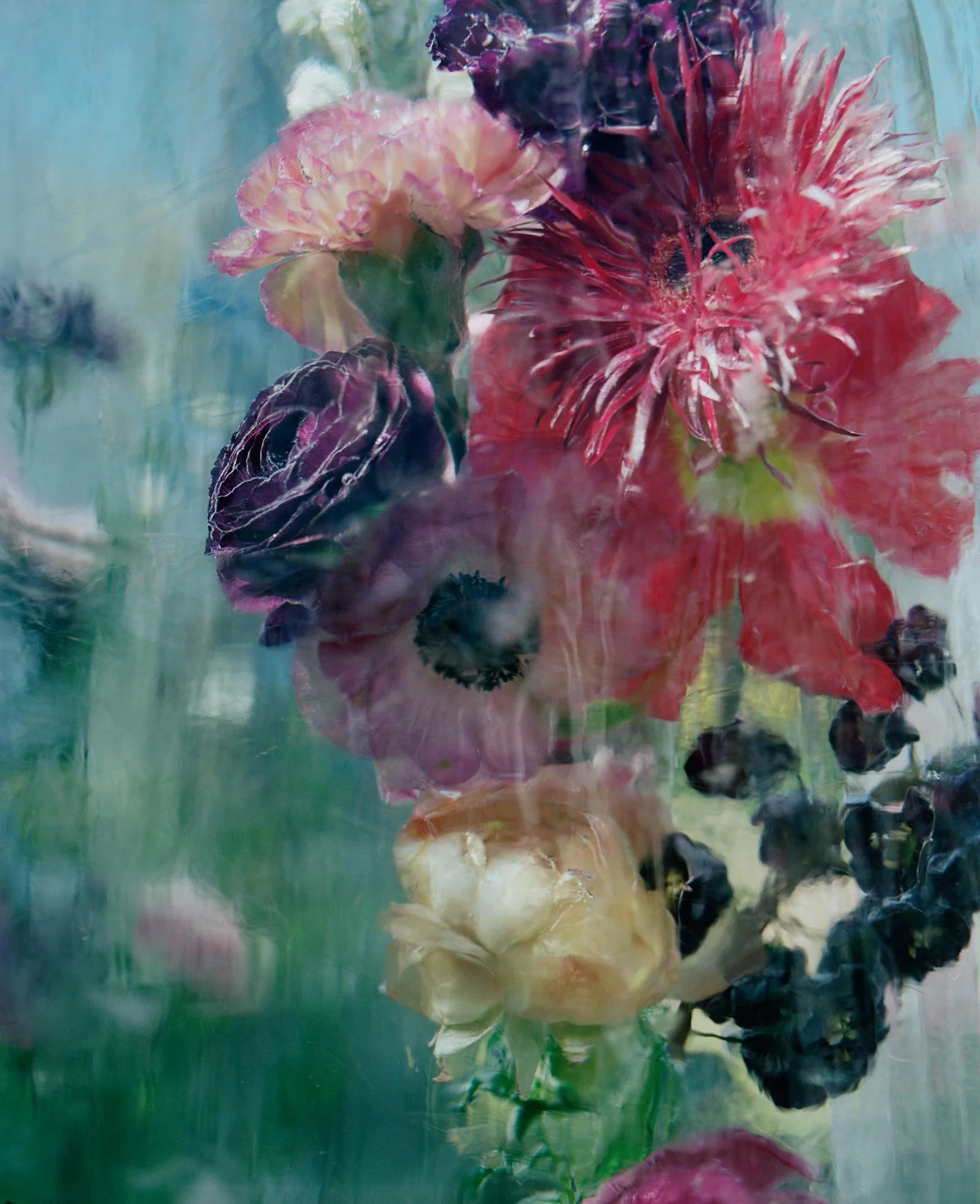
Mimouna is a joyful Moroccan tradition closing Passover, a night where restriction gives way to openness. Rooted in Mizrahi culture, it begins at nightfall on the last day. Homes fill with guests, tables overflow, and communities gather to celebrate renewal, blessing, and possibility.
A ritual of returning – to bread, to music, to one another – Mimouna is historically a moment of connection and goodwill. Neighbors gathering with symbols of prosperity and protection. Blessings for abundance, fertility, good fortune.
At the heart of Mimouna is the belief that after liberation comes flourishing. From survival to sweetness, Mimouna reminds us that freedom is not complete until it’s lived.
For one vibrant evening, the NuRoots team, along with a host committee with deep Moroccan roots, invites you to a transportive gathering of live music, dancing, food, ritual, and community.
Expect a night filled with color and rhythm as we welcome spring and reopen the flow of life.
Meet our host committee
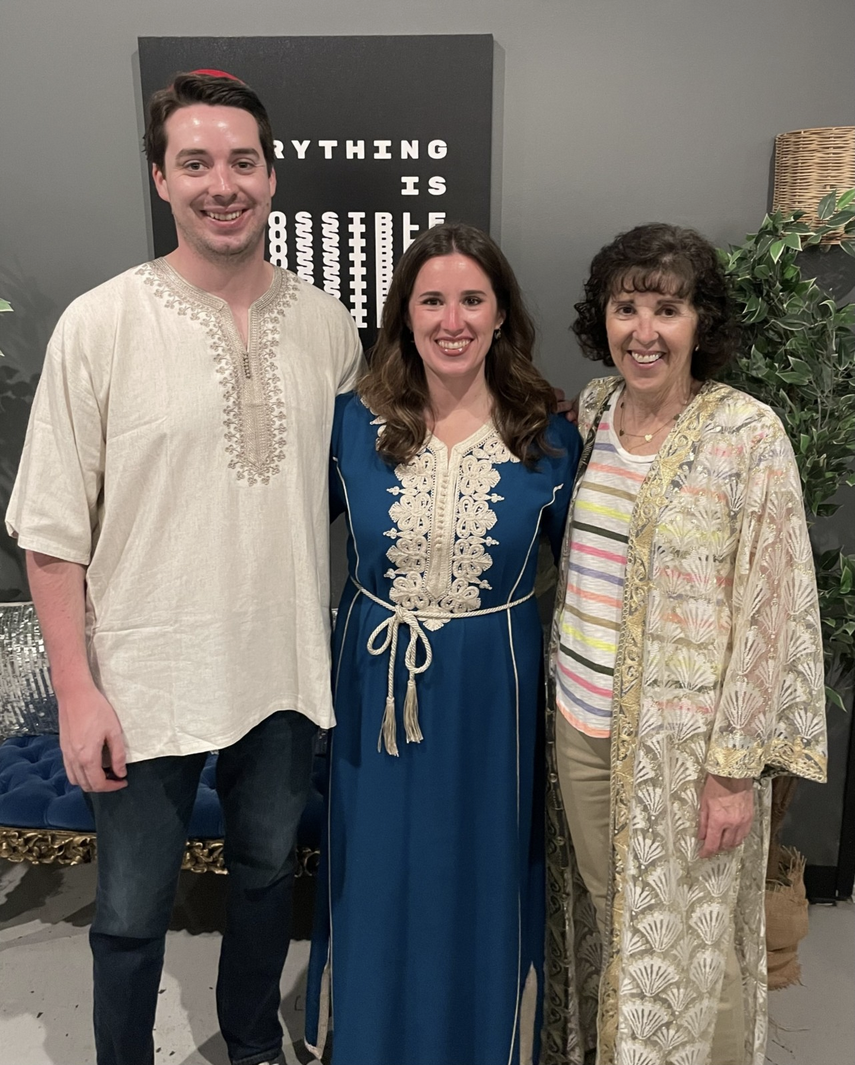
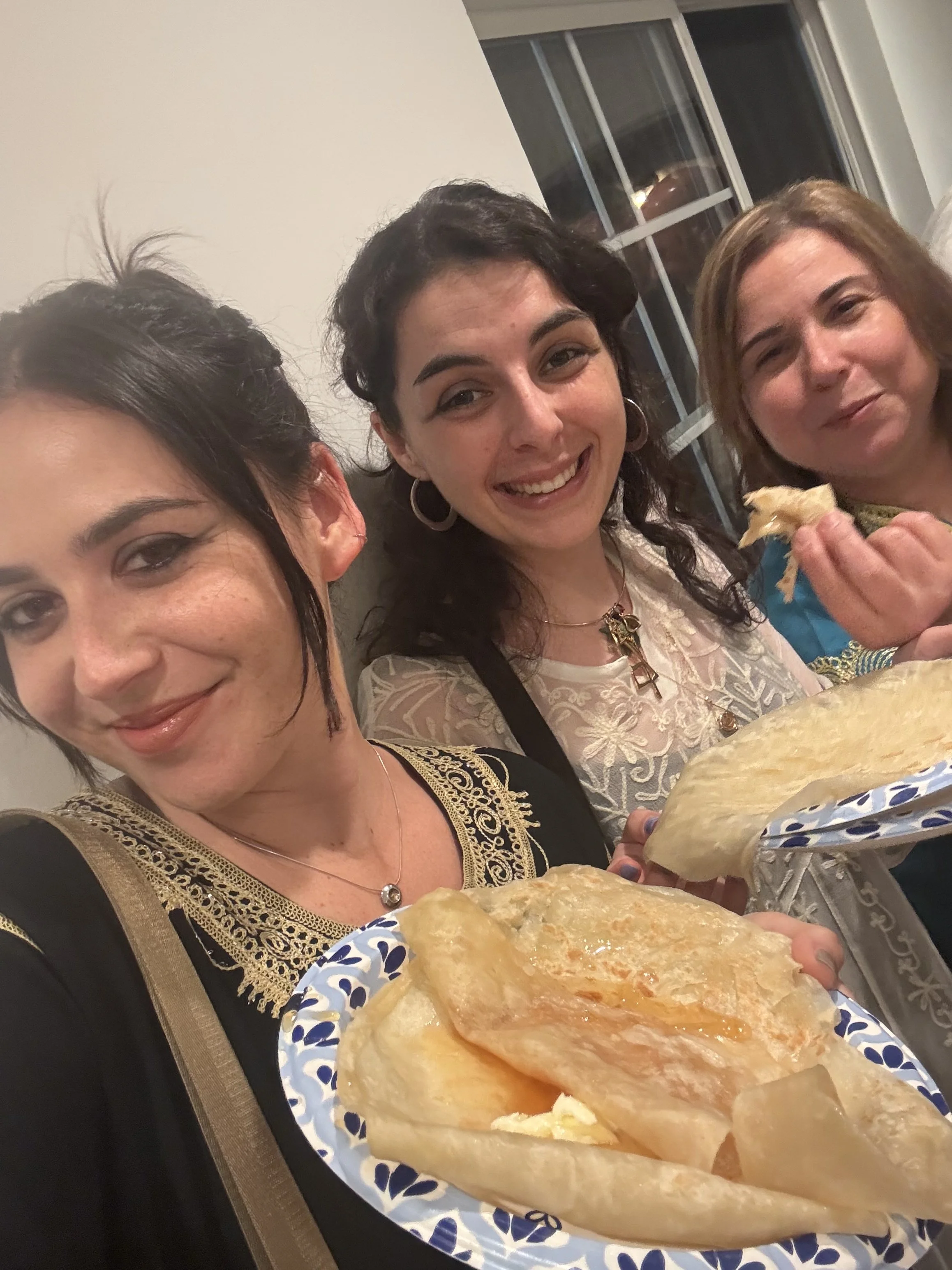
Aliza Amsellem
Mimouna is something I've been practicing with my family and friends as long as I can remember. I have distinct memories of my grandmother preparing a wide variety of treats, traditional moufletta pancakes, and Moroccan mint tea. After a week of wheat deprivation, this is the perfect remedy! I especially love the blessings of health and prosperity we give to one another while symbolically brushing buttermilk over the forehead with a stalk of romaine lettuce – seems silly, but I've seen those blessings be actualized! I have so much love for Mimouna and I cannot wait to share this with the NuRoots community.
Jamie DeLine
I grew up hearing my grandmother's many stories of her childhood in Marrakesh, but didn't realize how rich and vibrant her Moroccan Jewish culture and community were until I lived in Israel and spent time with her family there. I celebrated Mimouna for the first time with them when I was in college, and endeavored to bring the holiday back to my communities in the U.S. whenever possible. I’ve loved reviving the traditions my grandmother relinquished when she assimilated into the Ashkenazi world, and sharing the customs with my mother, who was born in Morocco and left when she was 3, as well as her siblings and our many cousins.
Nellie Hayat
I grew up in France in a largely Sephardic Jewish community, and Mimouna was always something that happened at home. Every family hosted its own. It wasn’t a big public event or a performance, but about opening your doors, going from house to house, seeing cousins, grandparents, neighbors, and eating the food our grandmothers made – moufletas covered in honey and butter, Tunisian sandwiches with tuna and preserved lemon, Algerian sweet couscous with almonds and raisins. Each table reflected where your family came from. For me, Mimouna is about abundance, hospitality, and joy. It’s one of those nights you wait for all year, and when it’s over, you’re already craving the next one.
Leigh Jacobson
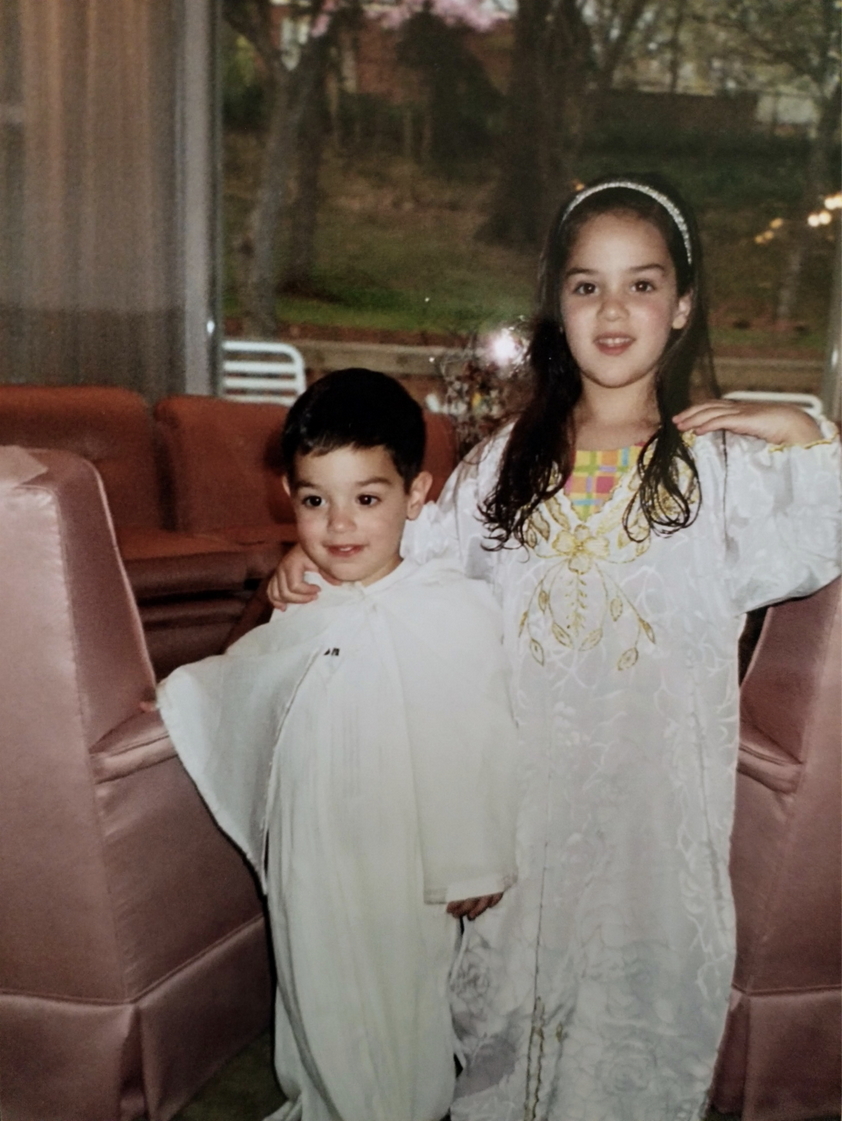
My favorite Mimouna memories from childhood are with my grandma, who always spent days assembling the most intricate array of sugary sweets – little cookies shaped like fruits, or flowers, or dates combined with varieties of nuts. The whole family dressed up together in kaftans brought over from Morocco, and it was such a festive experience. My grandparents are no longer with us, but when my family gathers for Mimouna, we honor their memory by putting on our favorite kaftans.